GoBuddy
2025
AI-Powered Travel Chatbot
LEADERSHIP
DEVELOP

ROLE
AI/ML Engineer
TIMELINE
Jul 2025
TEAM
4 AI/ML Engineers
tools
Hugging Face, Qwen API
OVERVIEW
An exciting challenge
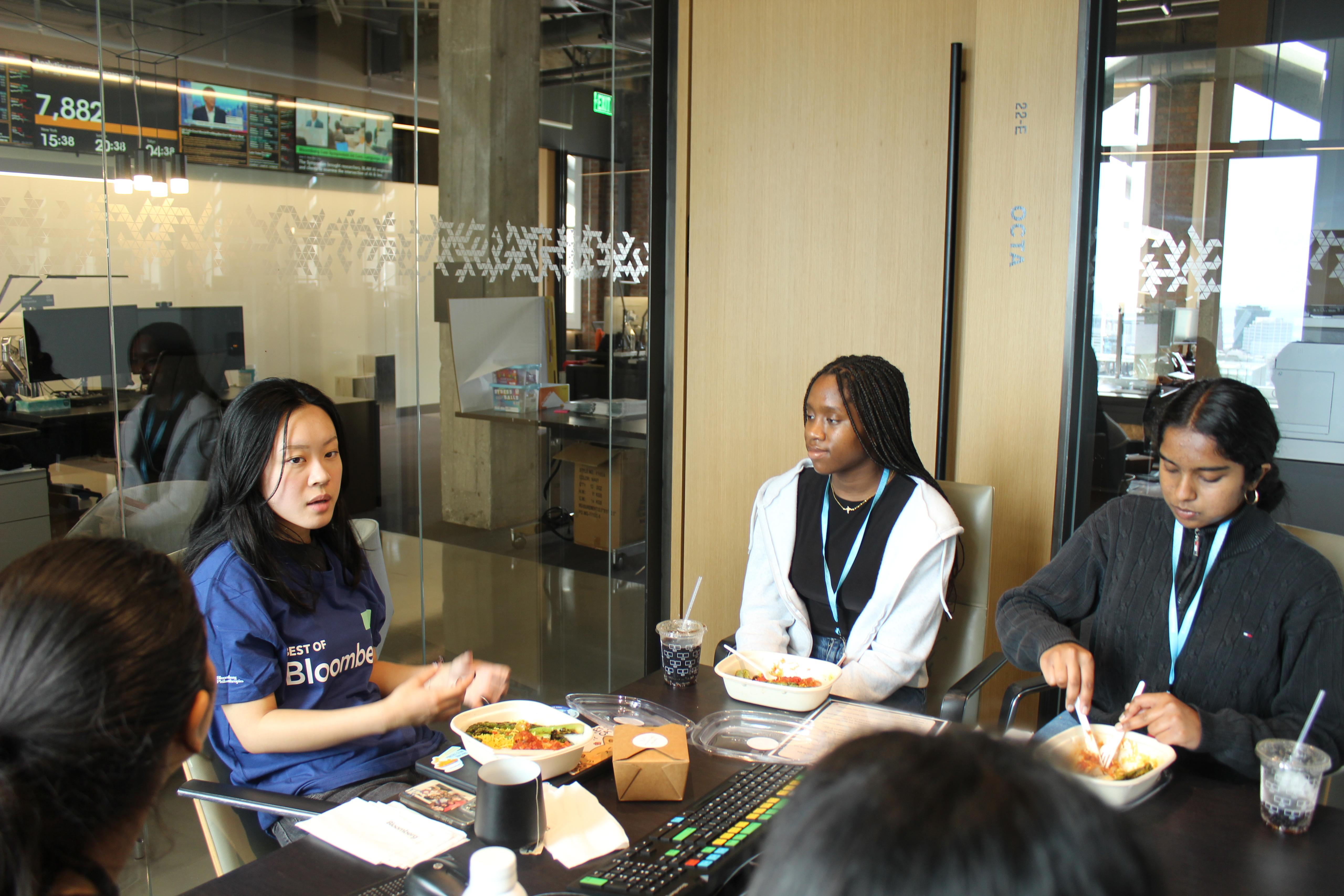
During Summer 2025, I completed a capstone project during a 4-day sprint, through the Kode With Klossy AI/ML fellowship program, hosted by Bloomberg, where I worked in a team of 4 to build an AI-powered travel chatbot. I gained hands-on experience across the fundamentals AI and Machine Learning using technologies such as Hugging Face, Python, and Qwen API, and gaining understanding of concepts such as semantic learning, prompt engineering, and model evaluation, building and iterating as part of an Agile environment.
PROBLEM
Why Today’s Travel Tools Fall Short
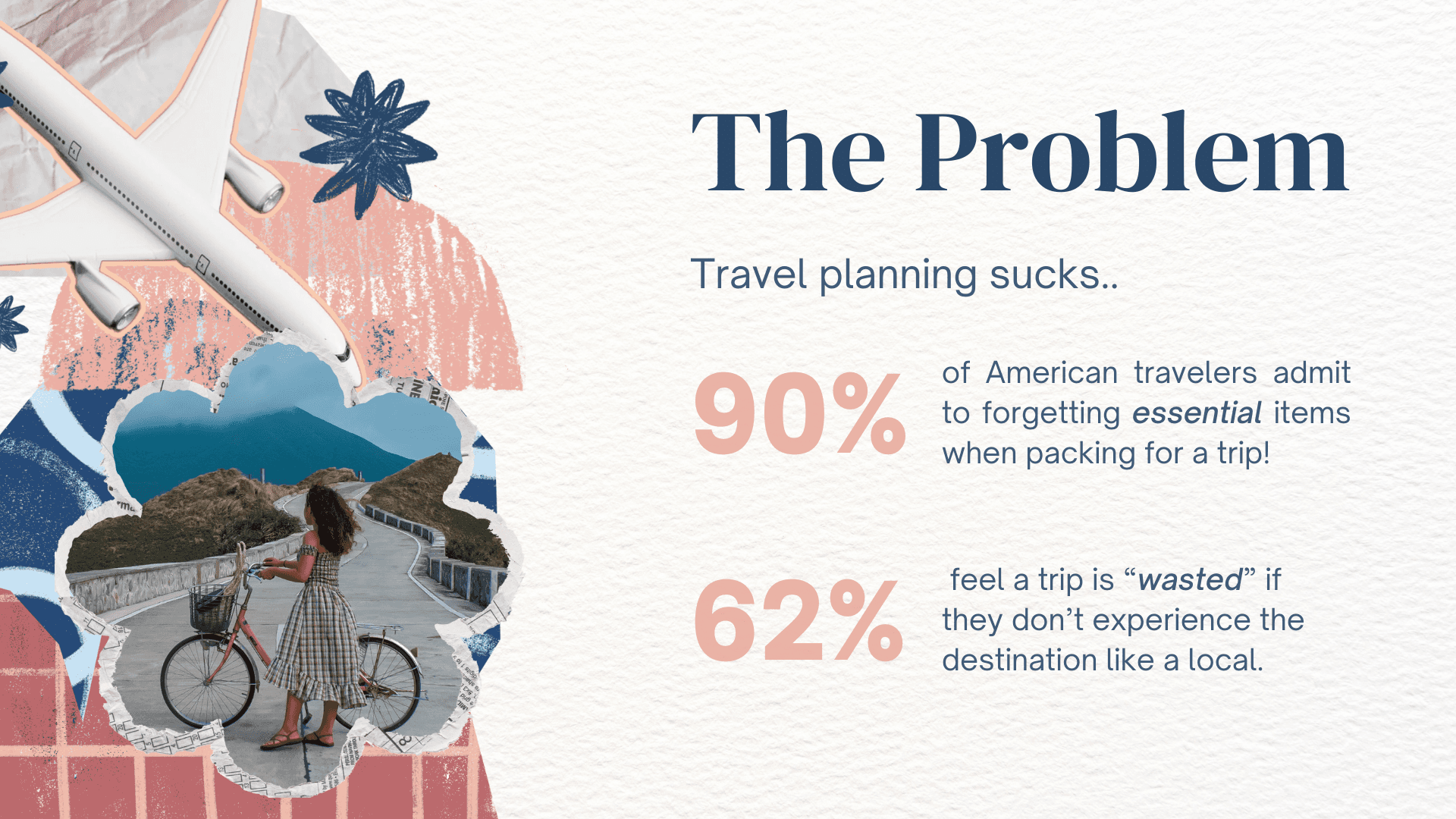
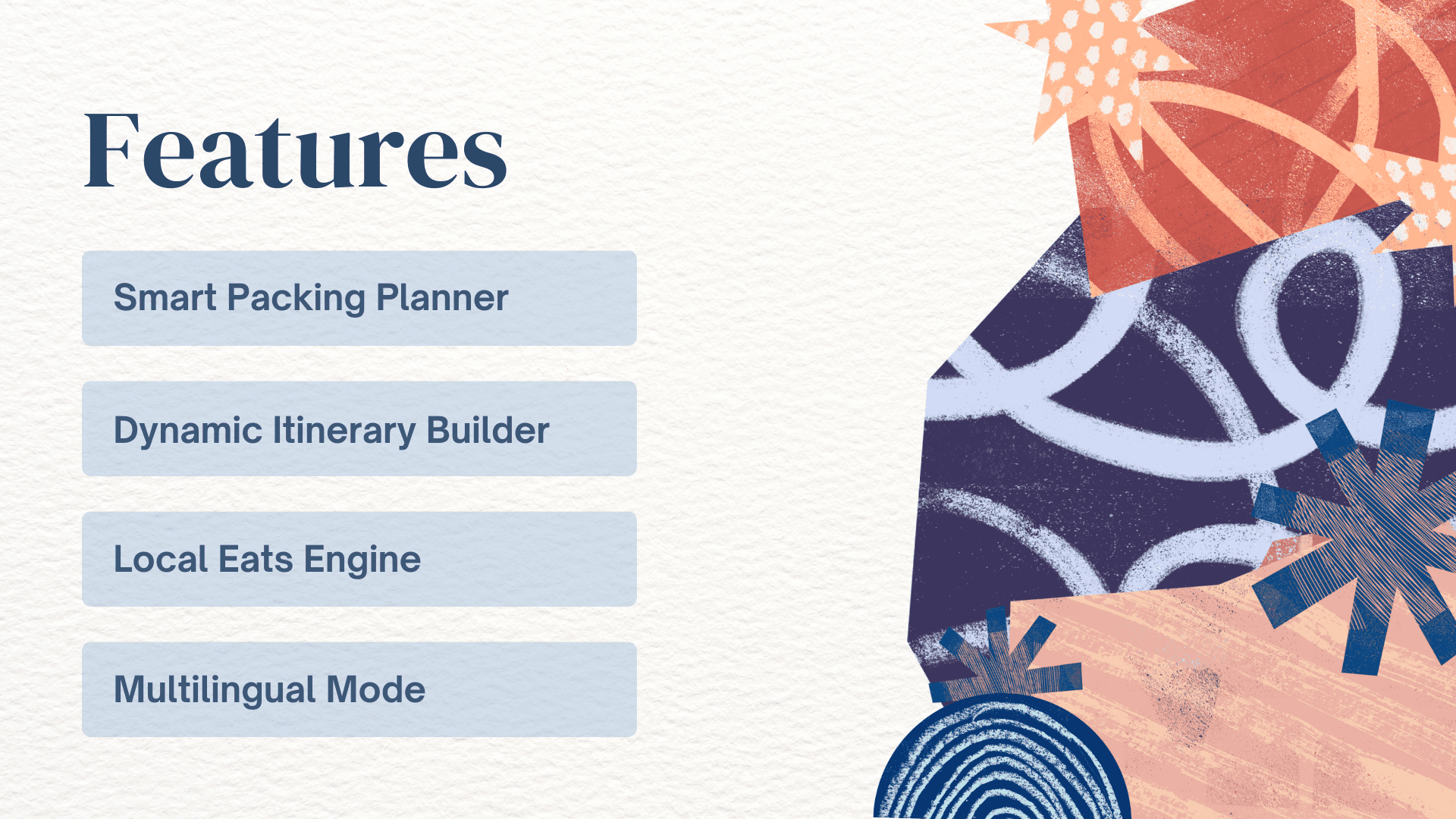
While travel information is abundant, personalized guidance is not. Travelers must manually piece together packing lists, local recommendations, and activity plans from disconnected sources. This fragmented process leads to overpacking, missed experiences, and a lack of confidence going into a trip, especially for younger, less experienced travelers.
THE CHALLENGE
How might we design a game that incorporates swapping characters as a core theme while prioritizing an immersive gameplay experience?
RESEARCH
Researching the current frustrations with traveling
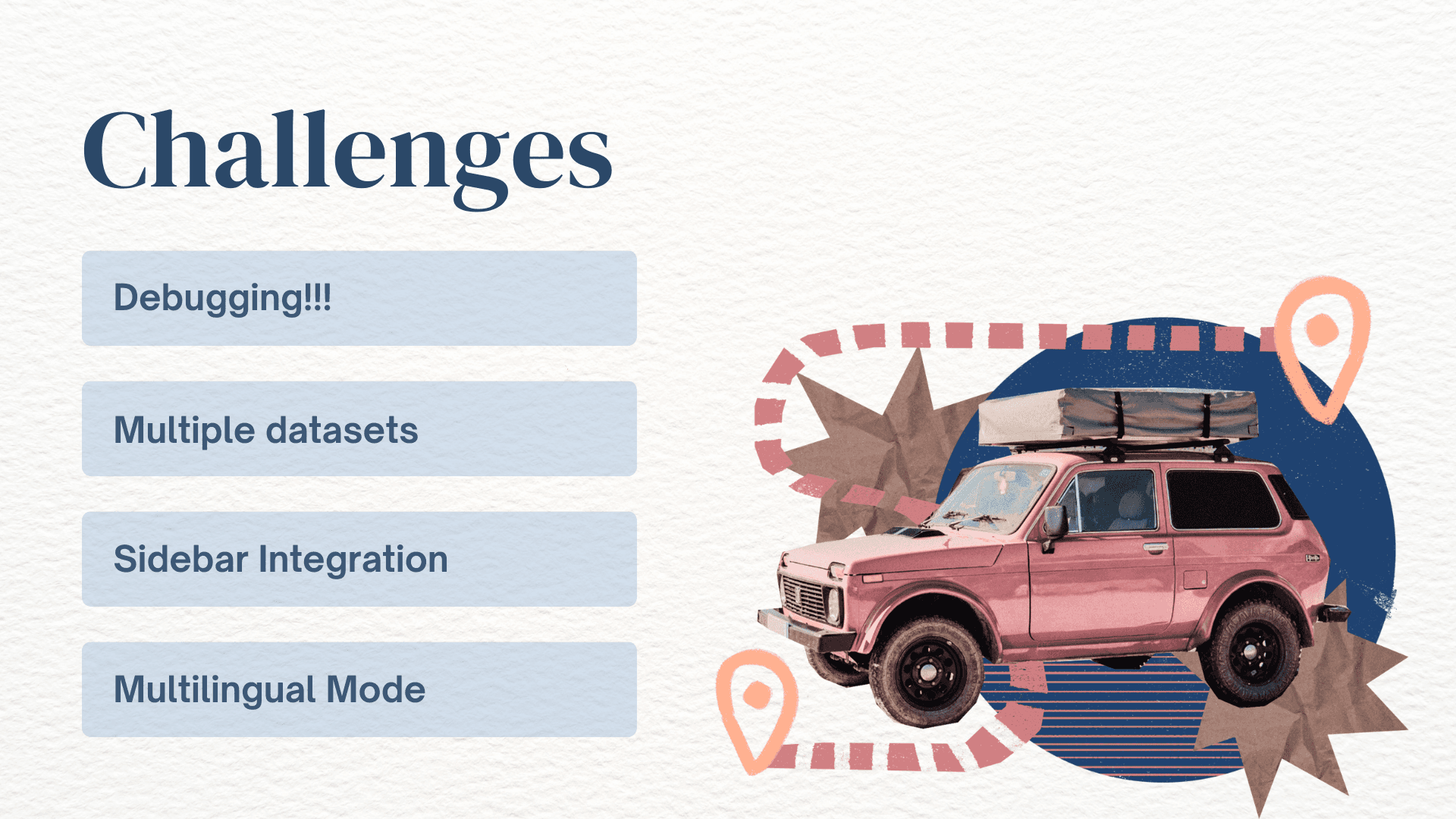
We explored how young travelers plan, pack, and experience new places. We collectively conducted desk research, analyzing travel reports, and behavioral data to understand where stress, uncertainty, and missed experiences come from. Our research revealed a clear gap between what people want from travel (authentic, local, confident) and what today’s tools actually help them achieve.
MY ROLE & TEAM
On the technical side, I contributed directly to the Hugging Face implementation, helping define how user inputs, embeddings, and model prompts were structured to support personalization and retrieval. This allowed me to bridge design and engineering, translating user intent into systems that could actually deliver meaningful, context-aware recommendations.
I also led the creation of our slide deck and overall narrative, shaping how GoBuddy’s problem, solution, and technical approach were communicated to engineers and instructors.
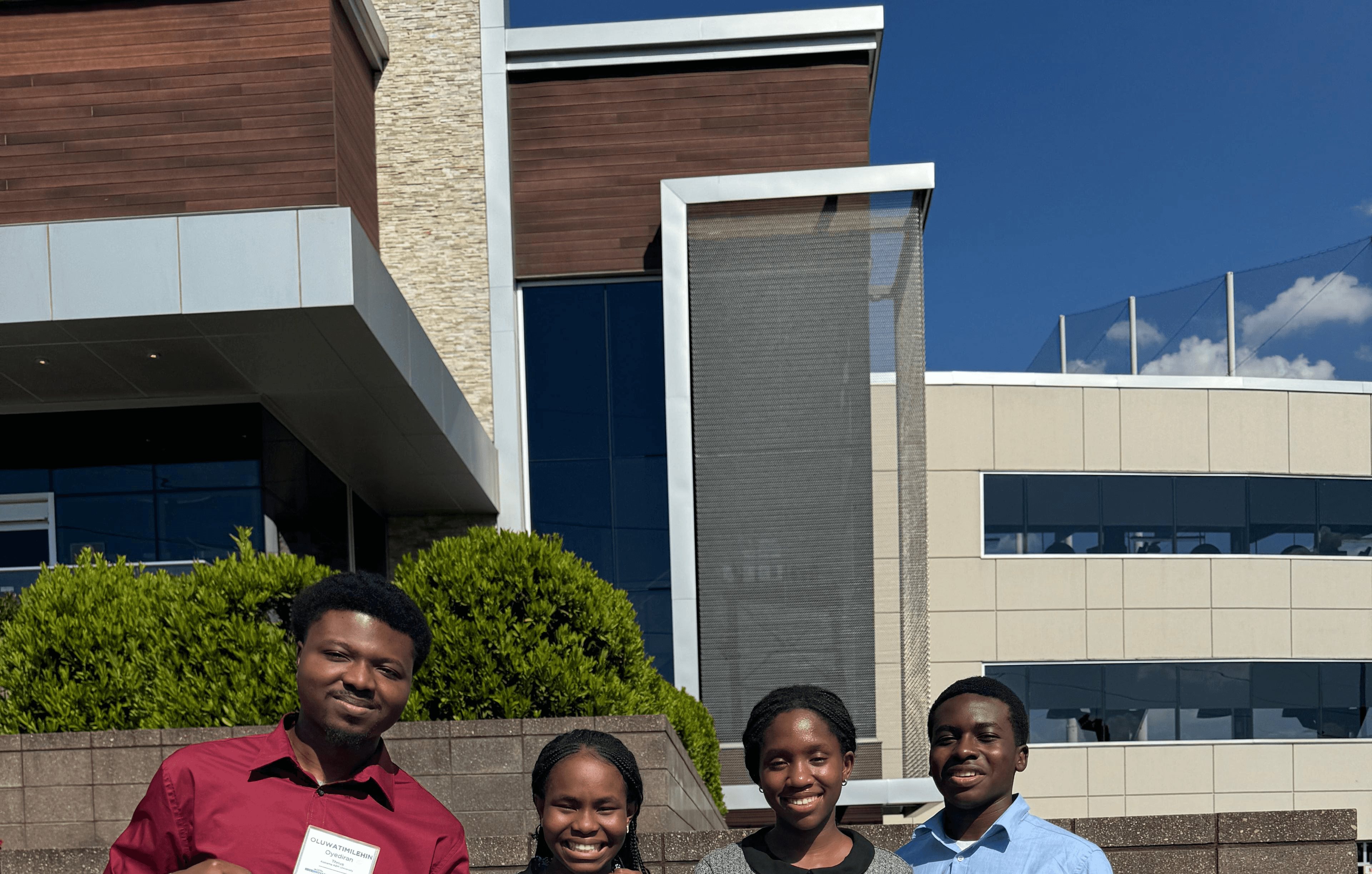
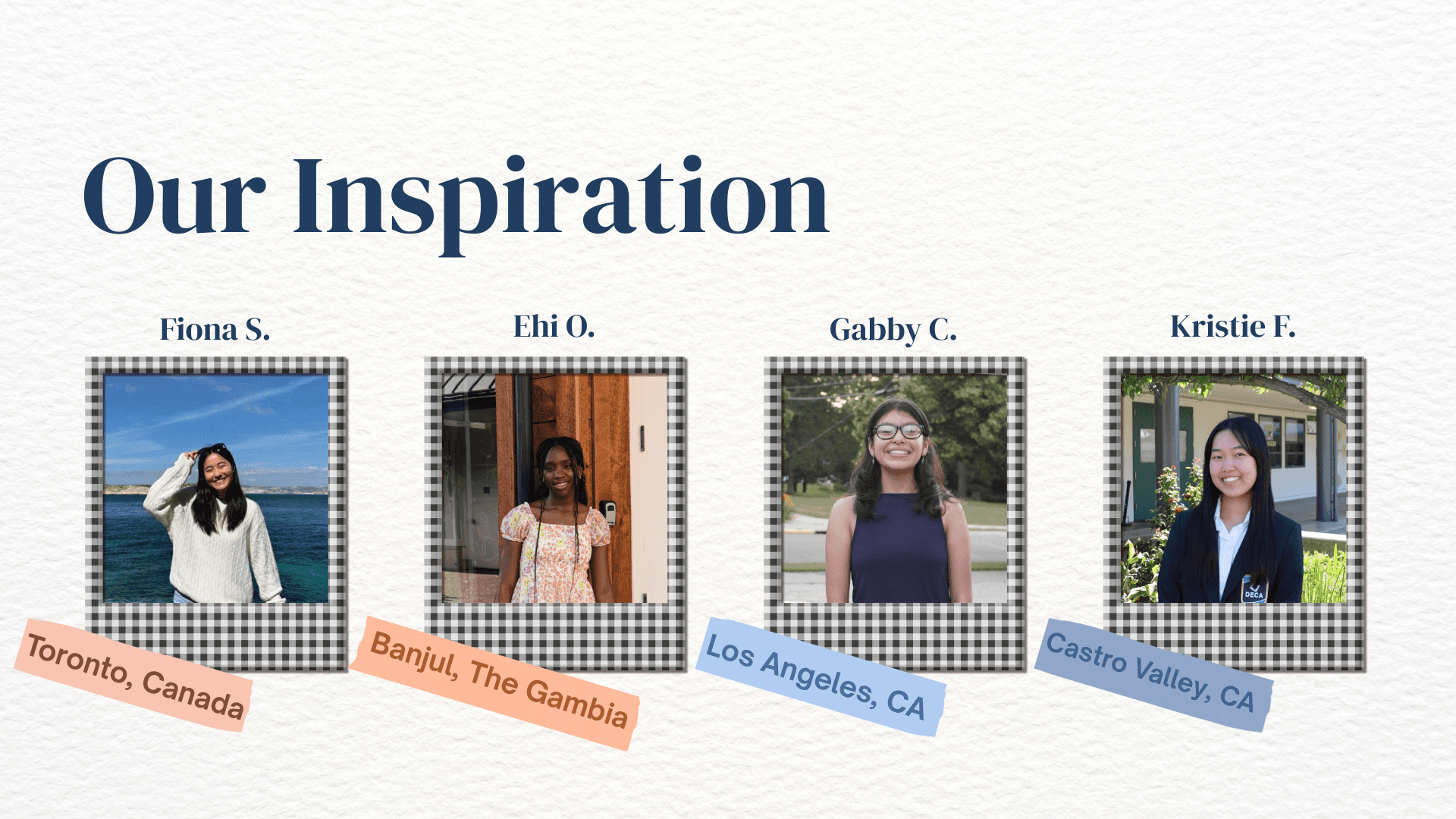
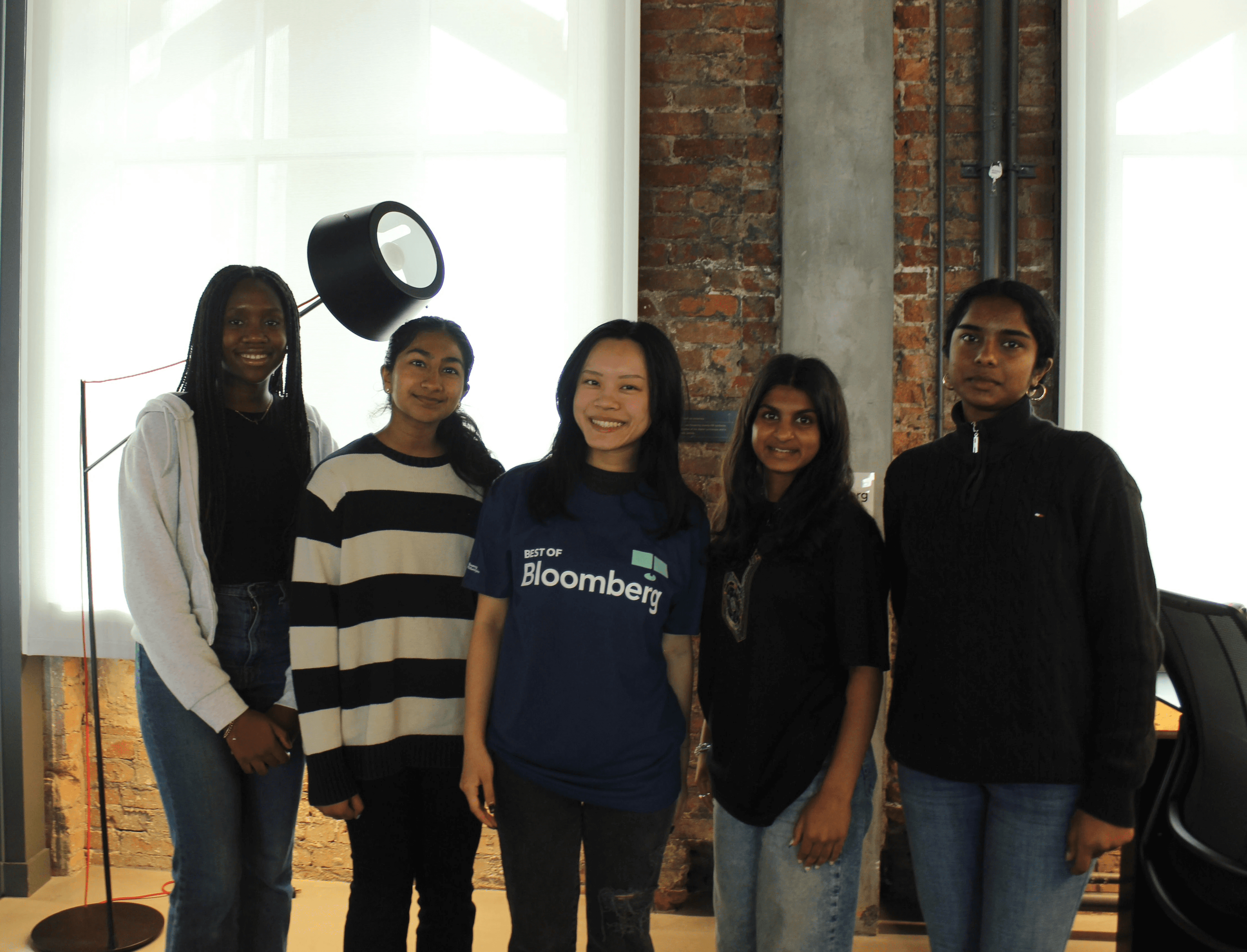
Our team of four came together from different corners of the country and the world, each of us traveling long distances to participate in the Bloomberg × Kode with Klossy AI/ML bootcamp. That shared experience of planning trips, booking flights, figuring out what to pack, and trying to make the most of our time, became the inspiration for GoBuddy.
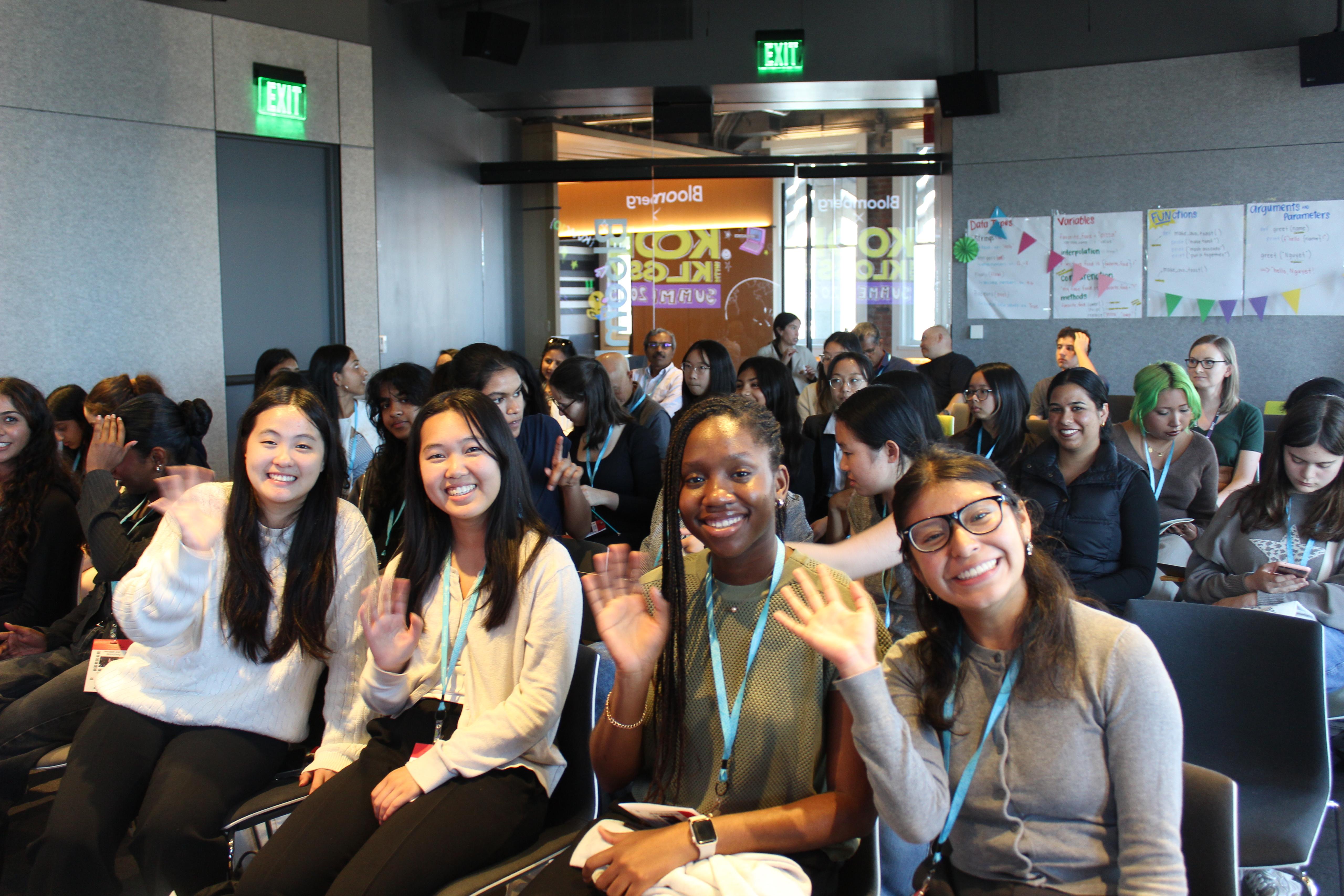
PITCH Party
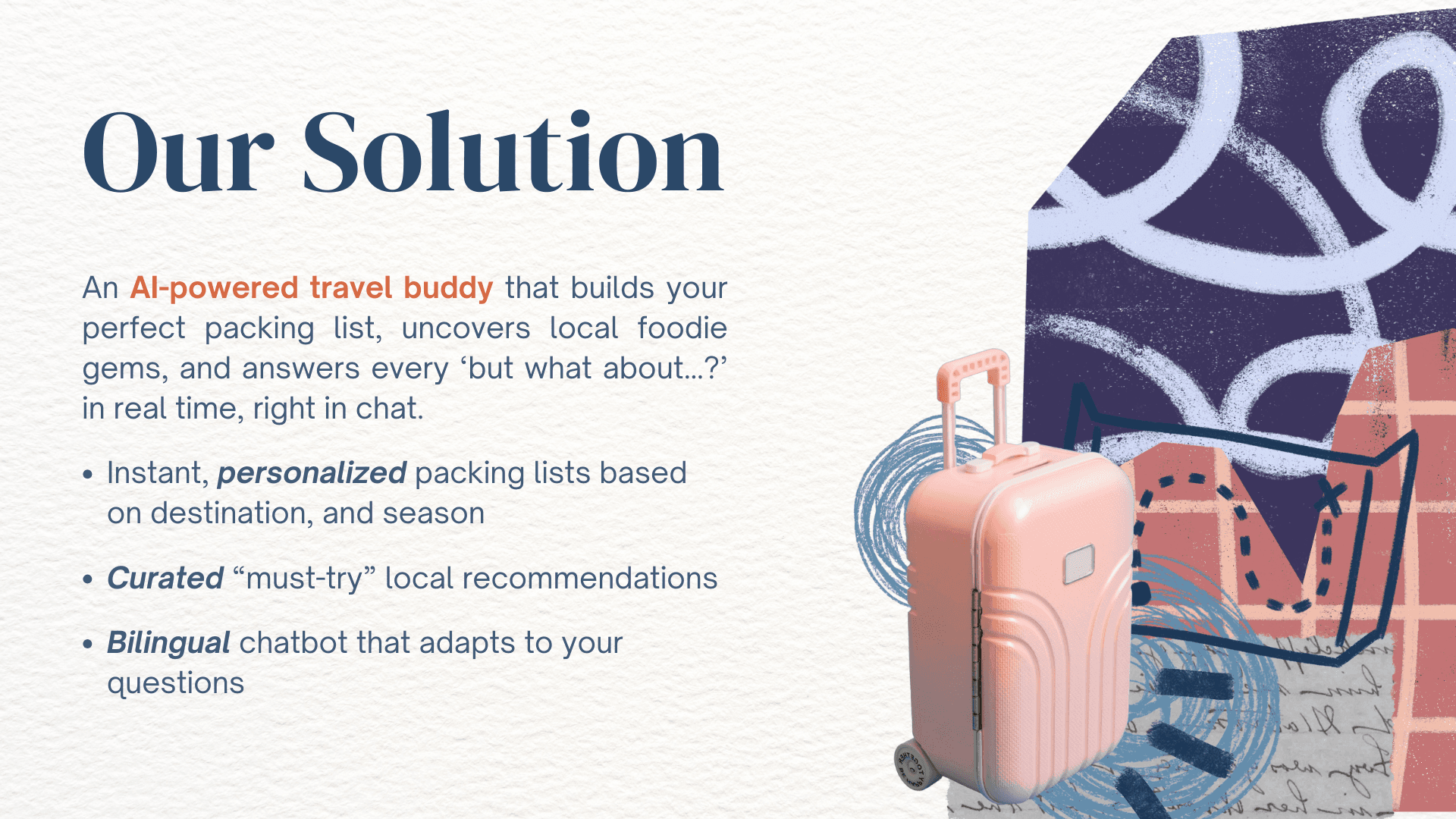
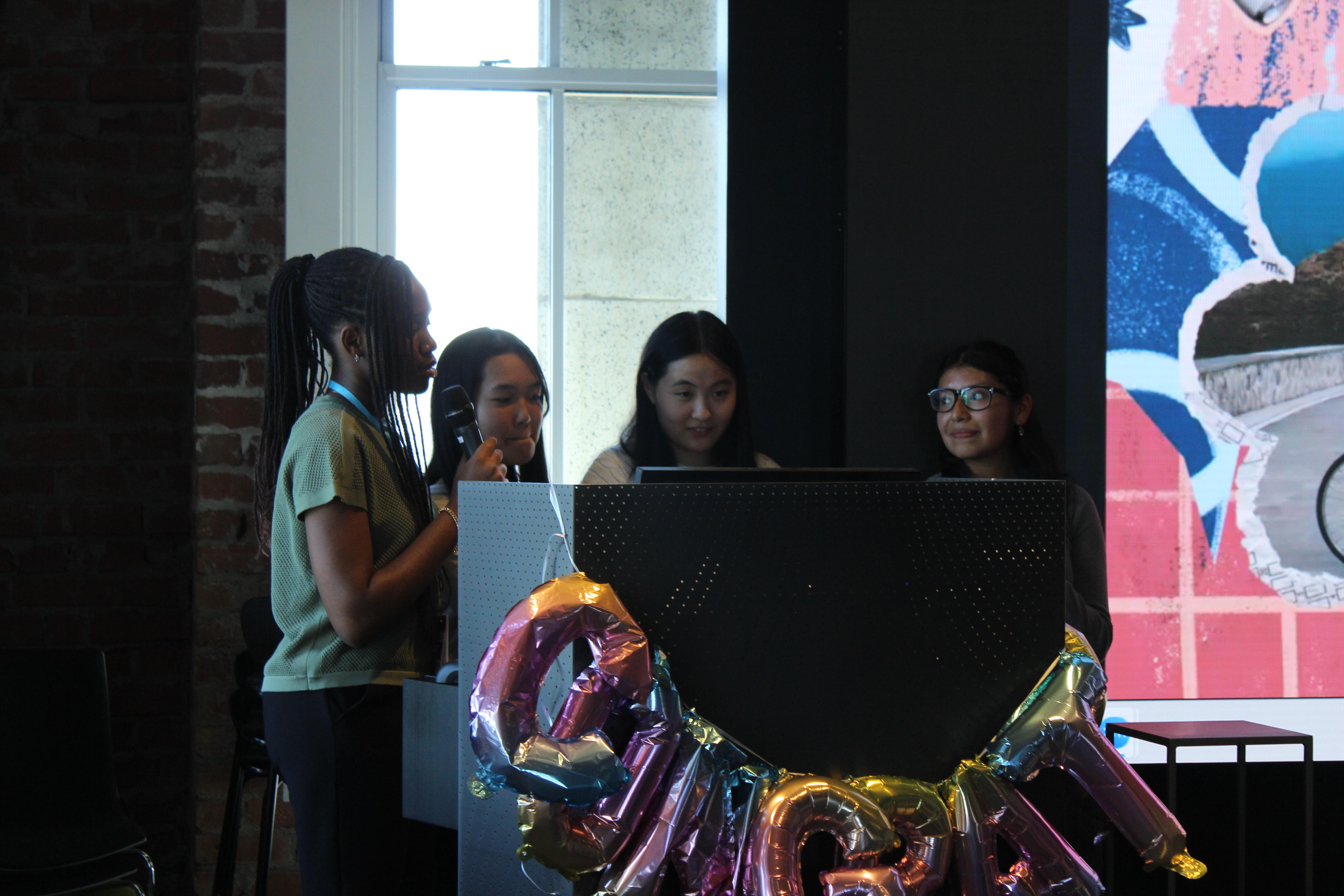
We pitched GoBuddy in front of Bloomberg Software Engineers and program instructors, presenting not just the concept but a clear technical and product roadmap for how the system would be designed, built, and scaled. I helped lead the presentation by walking through the user journey, personalization logic, and AI architecture, ensuring the audience understood both the human problem we were solving and the engineering approach behind it.
KEY LEARNINGS & CONTRIBUTIONS
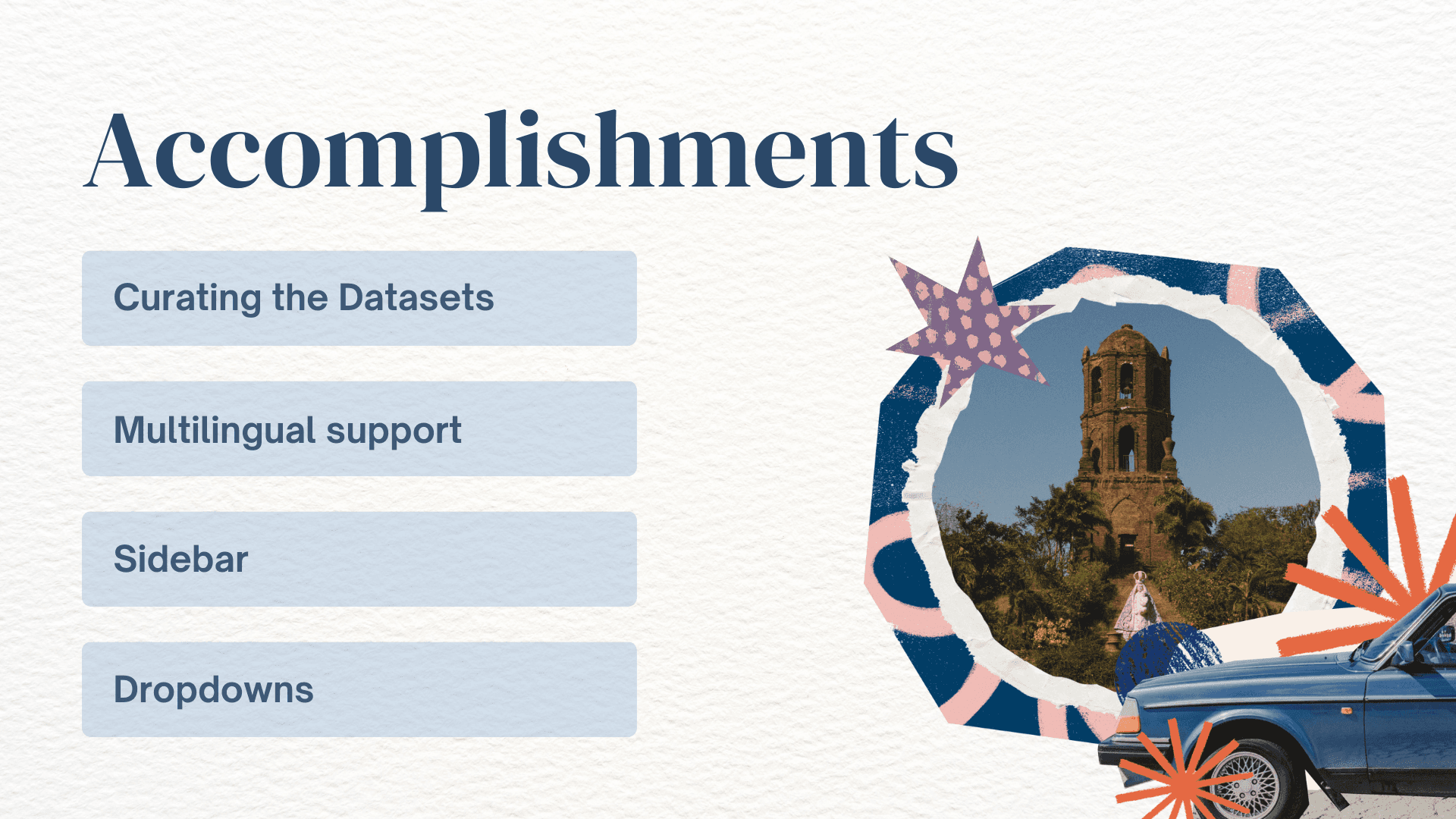
I learnt how critical context and retrieval are to creating useful AI products. I was responsible for implementing semantic search, prompt chaining, and model orchestration so the system could move beyond static answers and generate trip-specific recommendations. This work directly improved the relevance of packing lists and local suggestions, making the product feel intelligent rather than scripted.
🗣️ Context-Aware Prompting + Dynamic Responses
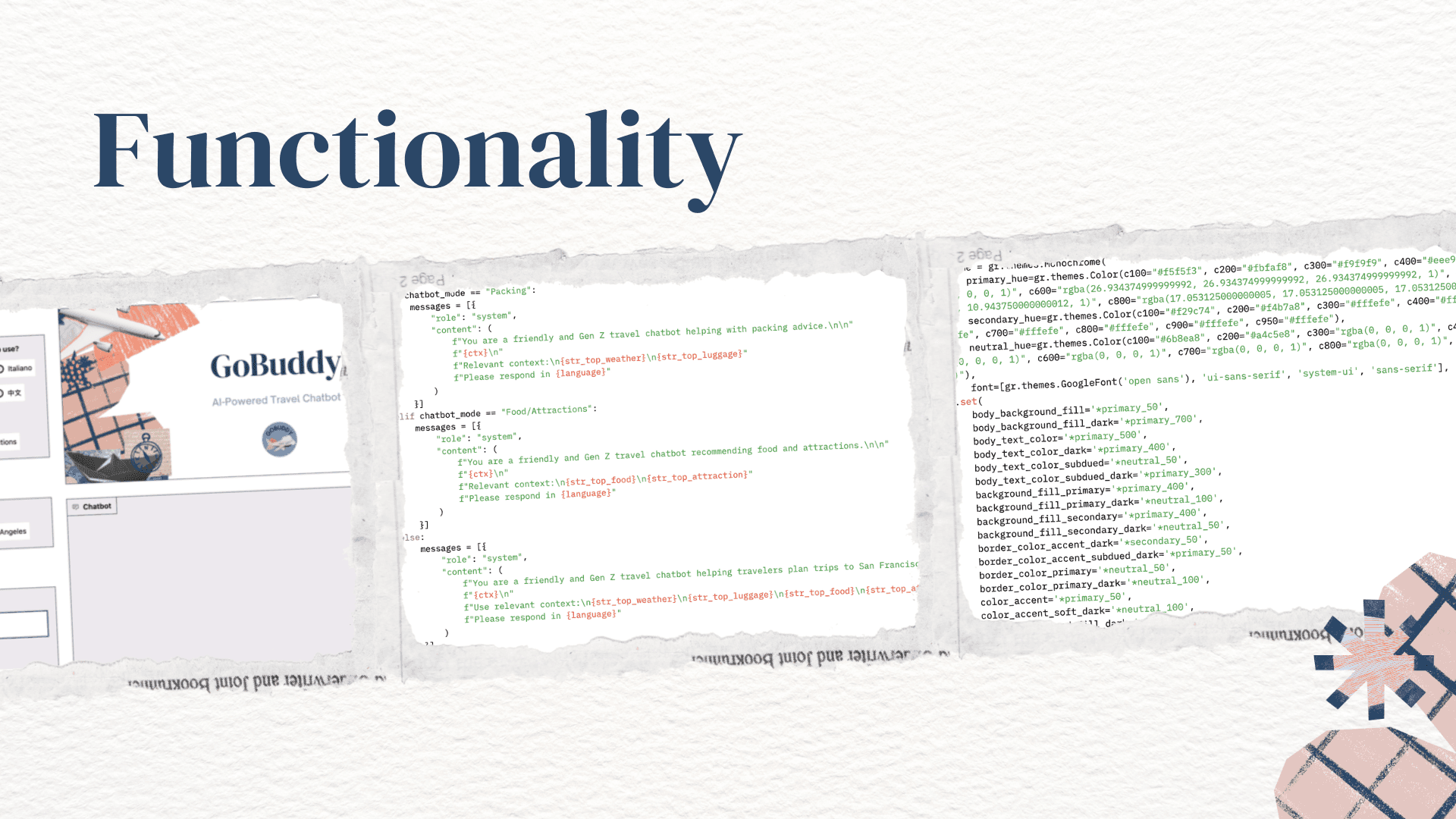
Beyond search, I designed the respond() function to assemble a context-rich system prompt for every user message. It combines the semantic search results with inputs from the sidebar, destination, trip length, season, luggage size, food preferences — and passes this structured context to Qwen/Qwen2.5-72B-Instruct via the Hugging Face InferenceClient. This allows GoBuddy to generate personalized packing lists and local recommendations that reflect each traveler’s unique scenario. By engineering this prompt-chaining workflow, I bridged raw model output with a guided, user-centric experience.
🧠 Semantic Search + Smart Retrieval
To make GoBuddy’s responses feel relevant and not generic, we implemented semantic search using the SentenceTransformer model (all-MiniLM-L6-v2). This step converted weather, luggage, attraction, and food data into embeddings, allowing GoBuddy to retrieve the most contextually similar information to a user’s query. Instead of just hard-coding responses, GoBuddy dynamically pulls the top-matching chunks and uses them to generate smarter, more tailored recommendations. This ensures that a question like “What should I pack for LA in the summer?” triggers a packing list that considers climate, trip length, and luggage type — not just a generic list.
💡 Why Qwen API?
We chose Qwen/Qwen2.5-72B-Instruct because it offered a great balance of performance, cost, and flexibility for our project. Since GoBuddy needed to handle multi-turn conversations with context-rich prompts and deliver travel suggestions in a friendly, Gen Z tone, Qwen’s instruction-tuned model performed really well in producing natural, helpful outputs. It’s also open-weight and easy to deploy via Hugging Face’s Inference API, which gave us more control and avoided token or rate limits that might have slowed down development with OpenAI’s API. In short, Qwen allowed us to ship a responsive, personalized chatbot without compromising speed or affordability.
BUILDING + LEADING
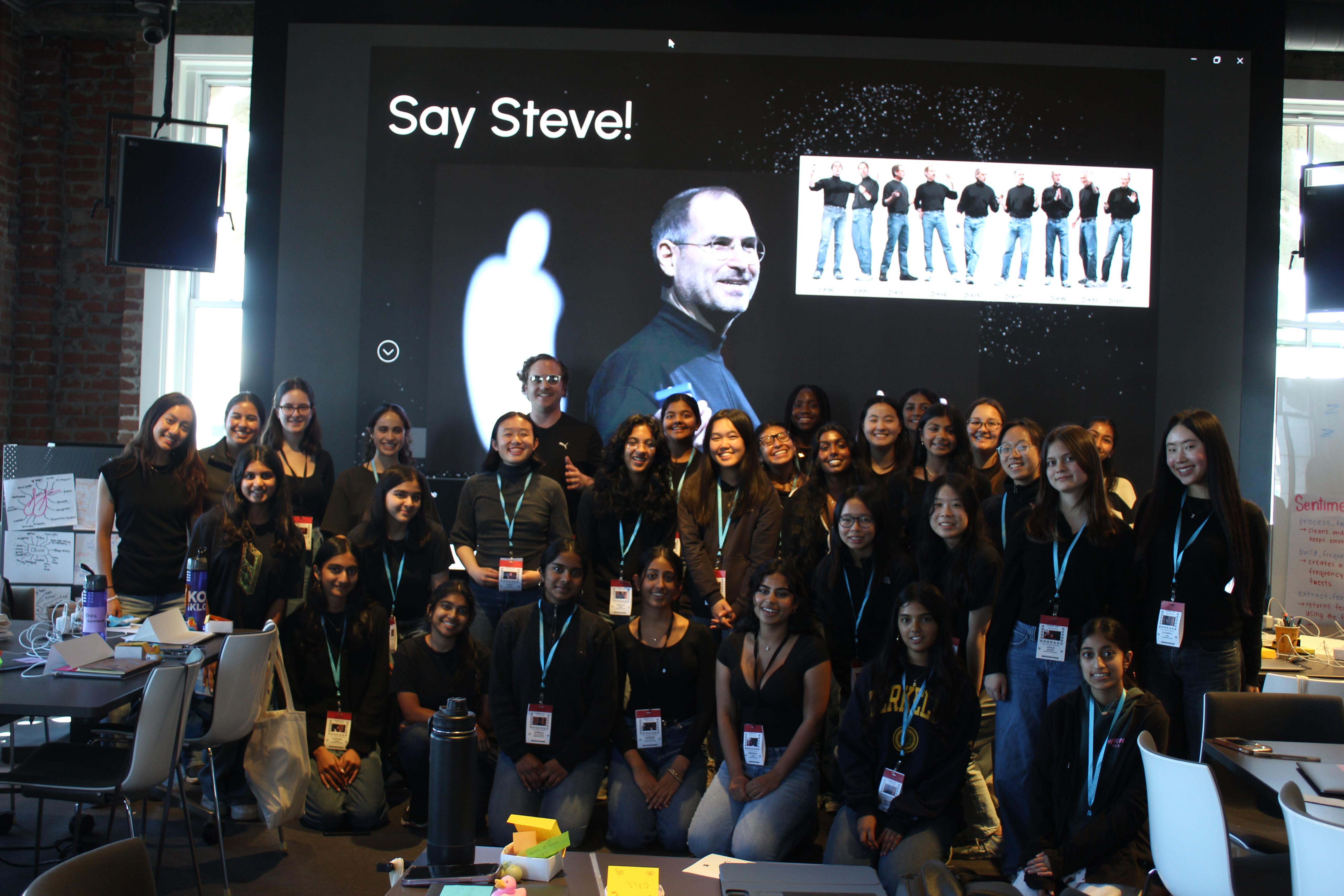
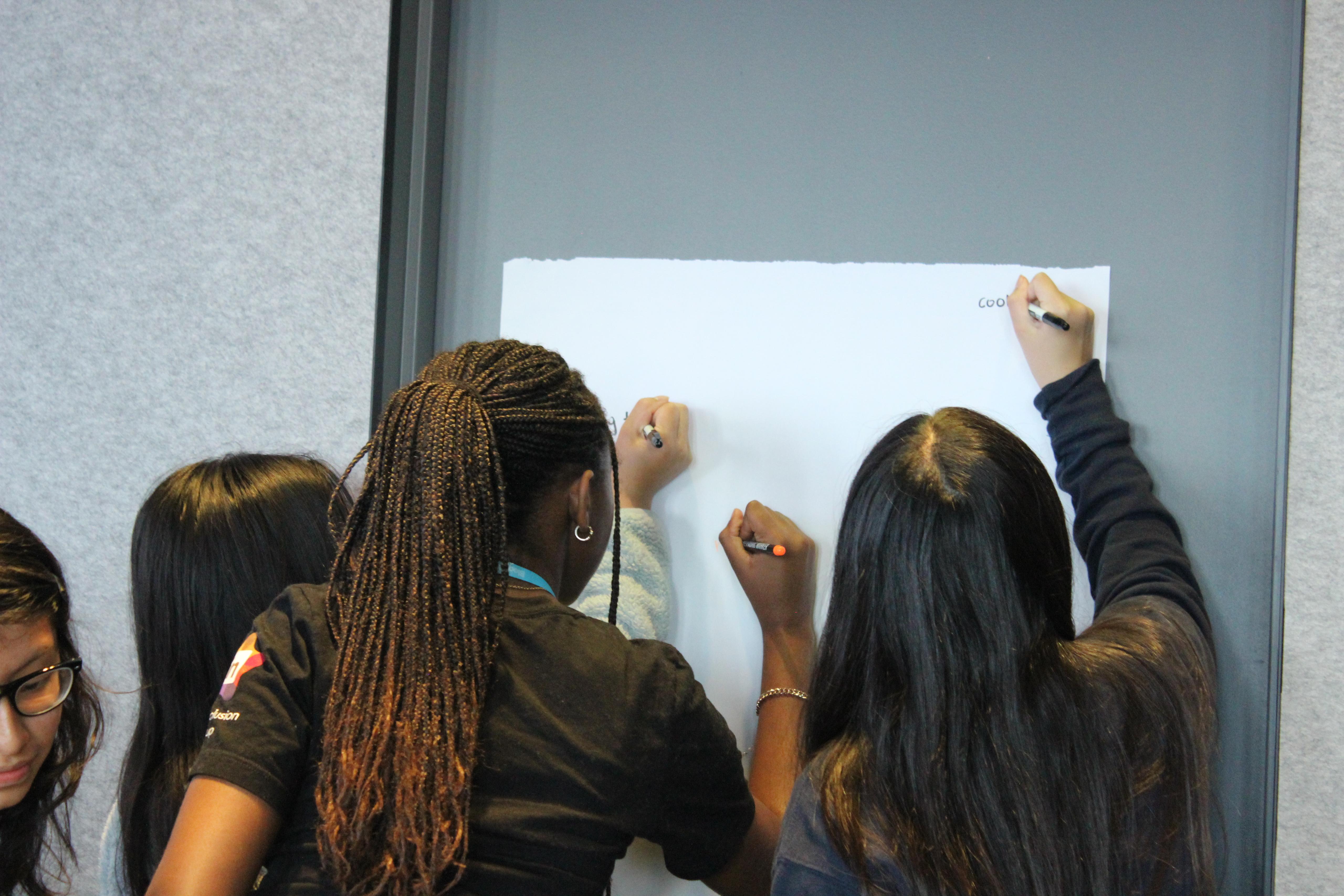
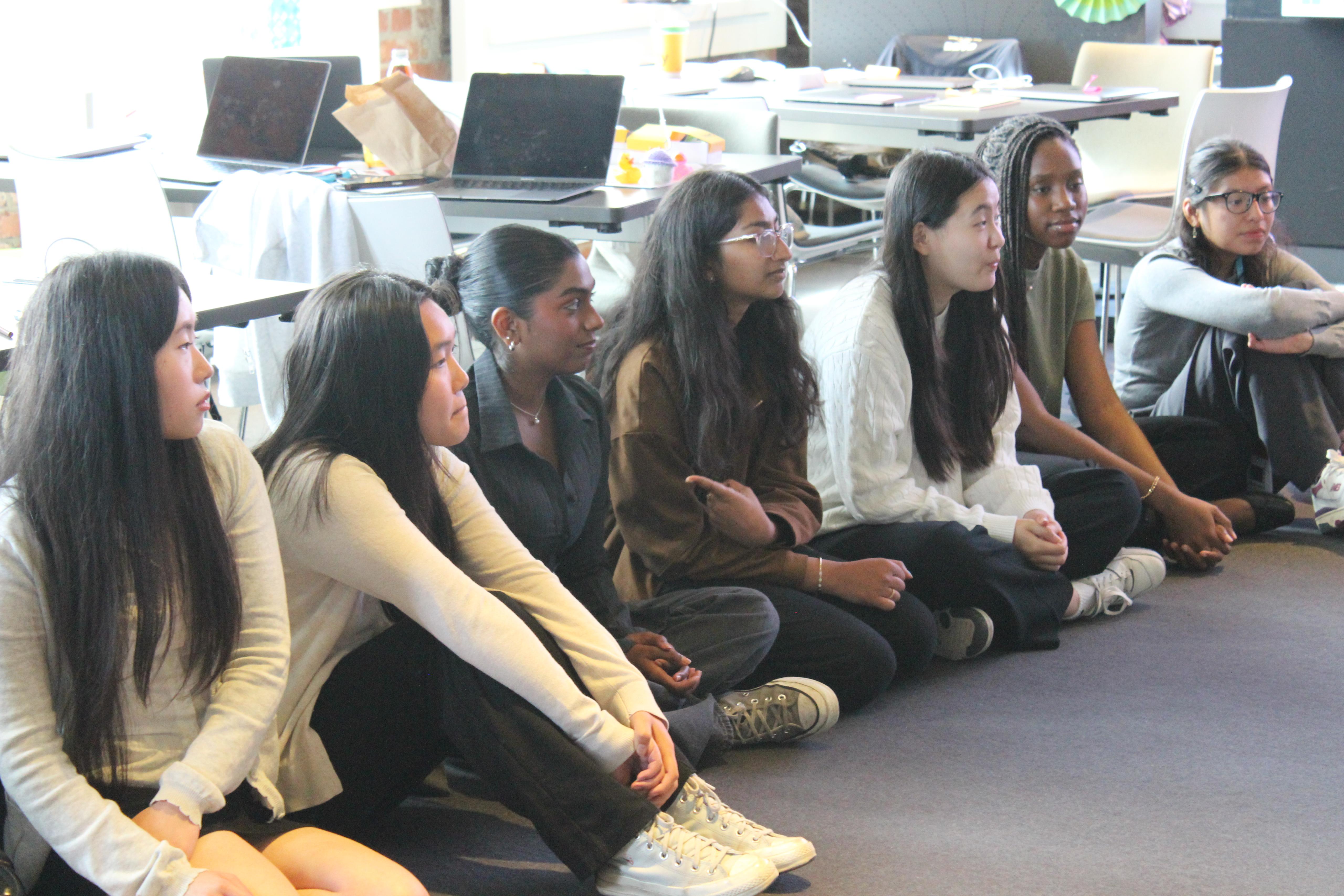
I led GoBuddy’s product and experience design while also driving key technical decisions behind how personalization and retrieval were implemented. From shaping the interaction flows and visual system to defining how user context was structured and passed into the AI, I bridged design and engineering to ensure the product felt intuitive, trustworthy, and useful. As one of the primary presenters on Demo Day, I was responsible for communicating GoBuddy’s vision, user problem, and technical approach, translating a complex system into a clear, compelling story for judges and peers.
REFLECTION
A memorable Experience!
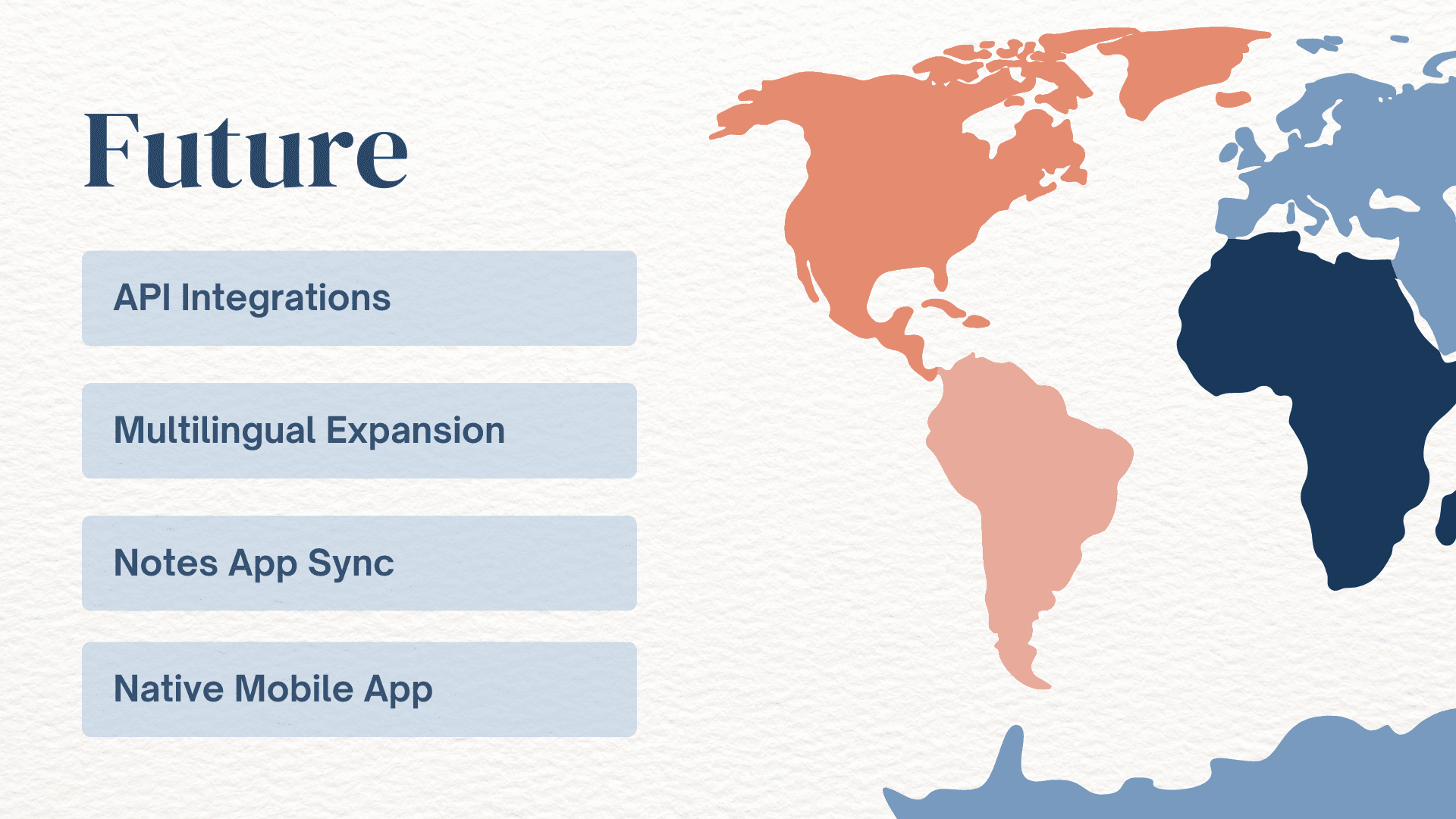
Building GoBuddy showed me that great products are about reducing friction, adding delight, and solving real pain points, not just writing code. Collaborating with a diverse team from across the country reminded me that the best solutions come from blending different perspectives and experiences. GoBuddy represents the next frontier in student travel planning, combining AI/ML technology with a traveler-first approach. By delivering authentic local recommendations and dynamic packing lists, GoBuddy simplifies trip planning, saves time, and helps students feel more prepared and excited for their adventures. It proves how technology, when human-centered, can transform the way we explore the world.
Thrive
2024 -2025
Spearheaded design for a Mental Healthcare App
WINNING PITCH
DESIGN
STARTUP